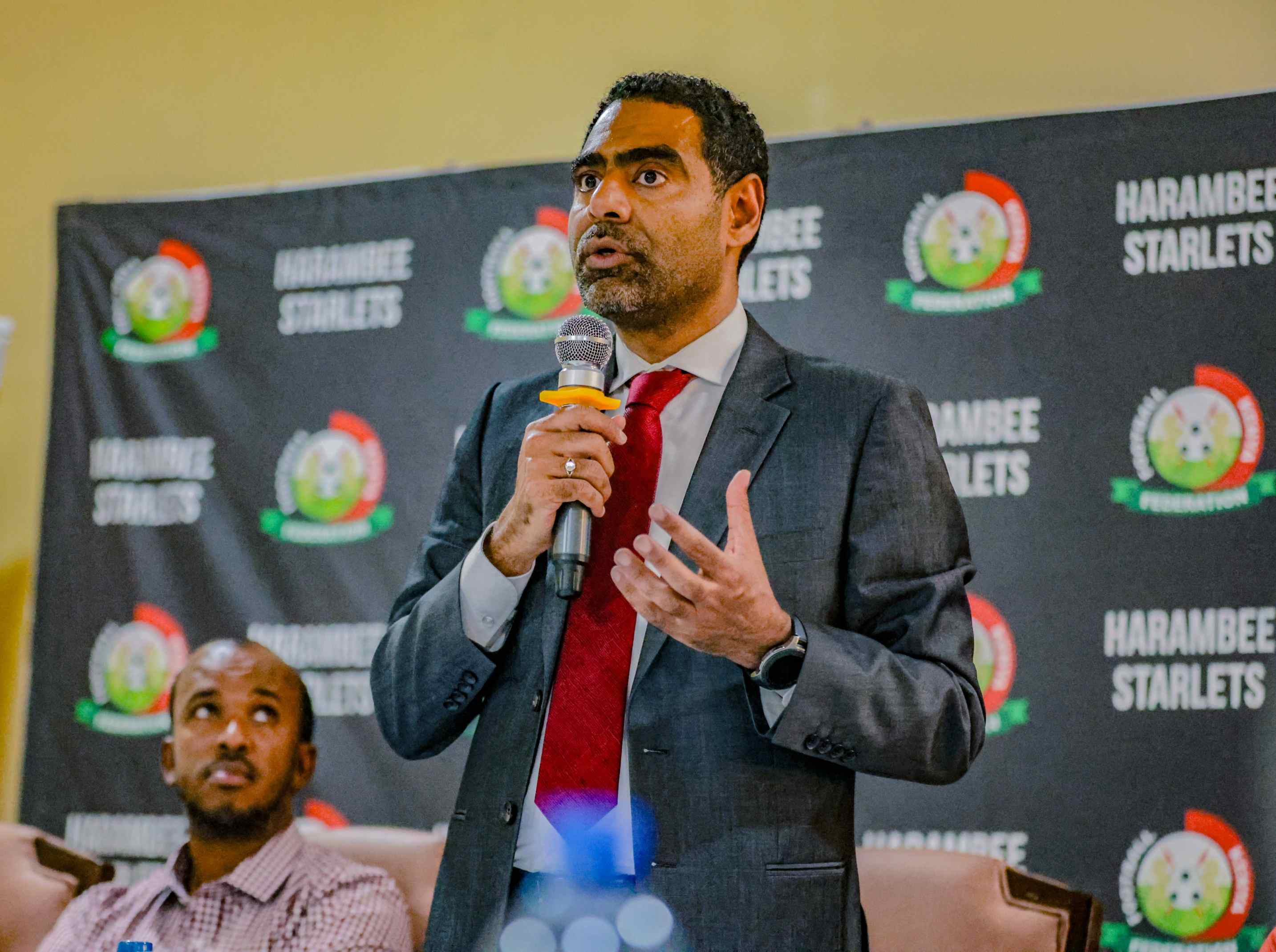
Kenya’s Road to U17 World Cup 2027 project has entered its first implementation phase, with FKF and ACAKORO launching a U15 National Team scouting exercise in Ndhiwa.
The programme aims to identify and nurture young talent through a structured pathway combining education and elite football training.
The exercise launched on Wednesday marks the beginning of a structured, nationwide talent identification programme designed to lay the foundation for Kenya’s future U17 national team.
The scouting is open to boys born in 2011 and is the first of several regional activities planned across the country.
According to organisers, the initiative is intended to create a clear and sustainable pathway from grassroots football to the national teams, with the long-term goal of preparing a competitive squad for the FIFA U17 World Cup in 2027.
Selected players will be enrolled into a long-term development programme and awarded scholarships at Kenya’s first residential football academy, where structured education will be combined with elite football training.
FKF Technical Director Francis Kimanzi said the federation would take an active role in overseeing the process to ensure it meets professional standards and aligns with the project’s long-term vision.
“This is a step in the right direction for our youth development structures,” Kimanzi said. “We will be on the ground to oversee the entire process and ensure that the scouting is done in a structured, transparent and professional manner. This is about laying a proper foundation for the future of our national teams.”
The Ndhiwa event represents the first practical step in a project that has been under development for months, as stakeholders seek to address long-standing gaps in youth development and talent progression within Kenyan football.
By starting with players at under-15 level, the programme aims to provide sufficient time for technical, physical and educational development before the 2027 tournament.
ACAKORO General Manager Lukas Mott said the programme was now shifting decisively from planning into action, with both local and international expertise involved in the scouting process.
“We are really looking forward to this and we even have an international scout on the ground to support the process,” Mott said.
“We are very happy to see the programme move into the implementation phase. People can now see and believe in it, it is no longer just an idea on paper.”
Mott added that the Ndhiwa scouting exercise would result in a relatively small intake, reflecting the programme’s focus on quality and long-term development rather than short-term selection.
“From this first phase, we expect to select between 10 and 15 players. This is only the beginning. We are starting with this region and will gradually move into other regions across the country,” he said.
FKF and ACAKORO have emphasised that the scouting exercise is free of charge, in an effort to ensure accessibility and encourage broad participation.
Parents and guardians have been advised to plan their logistics in advance and ensure that players arrive on time.
To maintain integrity and compliance with age-group regulations, organisers have reminded participants that original birth certificates must be presented upon arrival.
No player will be admitted without the document. Players are also required to bring their own sportswear and football boots.
The Ndhiwa scouting day is expected to set the tone for subsequent regional exercises, as FKF and its partners seek to establish a consistent and transparent system for identifying and nurturing young football talent.
With the Road to U17 World Cup 2027 project now underway, attention will turn to how effectively the programme can translate grassroots potential into sustained national success.































Comments
Sign in with Google to comment, reply, and like comments.
Continue with Google